Our experiments
As part of its mission, crew 330 will carry out fifteen scientific experiments and technological demonstrations in various fields, including human factors, space medicine, geology, robotics, astronomy, botany or even atmospheric physics.
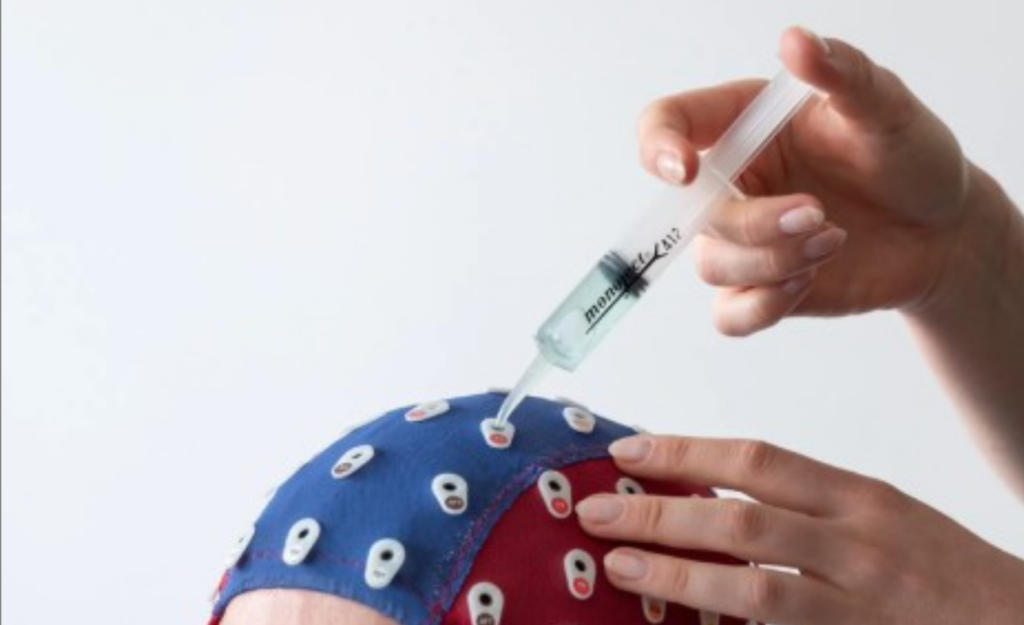
Neuroergonomy
- Type: Human Factors
- Research center: ISAE-SUPAERO
In collaboration with the Neuroergonomics Center of ISAE-SUPAERO, an experiment will be conducted to understand the impact of the isolated, confined and extreme environment of an analogous mission on brain activity. Measurements will be taken by electroencephalography during the performance of cognitive tasks before, during and after the mission, in order to identify the evolution of performance.
TwinS2
- Type: Human Factors
- Research center: Université Toulouse III – Paul Sabatier
After demonstrating the validity of the experimental device in 2024, data will be collected for the first time as part of the TwinS2 experiment. Conducted by the Evolsan laboratory of the University of Toulouse, it seeks to evaluate human performance by analyzing voice parameters. The objectives are twofold: to identify a potential deterioration in the health of astronauts during future long-duration missions and to develop non-invasive methods in order to diagnose certain pathologies on Earth as soon as possible.
Orbital Architecture
- Type: Human Factors
- Research center: KTH
The Orbital Architecture experiment, conducted in collaboration with KTH researchers, will also be continued. This experiment, which was carried out aboard the International Space Station by Marcus Wandt during the Axiom-3 mission, seeks to quantify the level of stress experienced by astronauts. By studying the impact of environmental parameters as well as the, researchers hope to design lunar and Martian bases to optimize the cognitive performance of astronauts.
TraceLab
- Type: Human Factors
- Research center: University of Central Florida
A similar experiment, TraceLab, conducted by researchers at the University of Central Florida, will examine the social, emotional, professional and physical impact of analogous environments, by analyzing the responses to questionnaires aimed at identifying individual and social adaptations in the context of inhabited missions.
Core Data
- Type: Physiology
- Research center: ISAE-SUPAERO
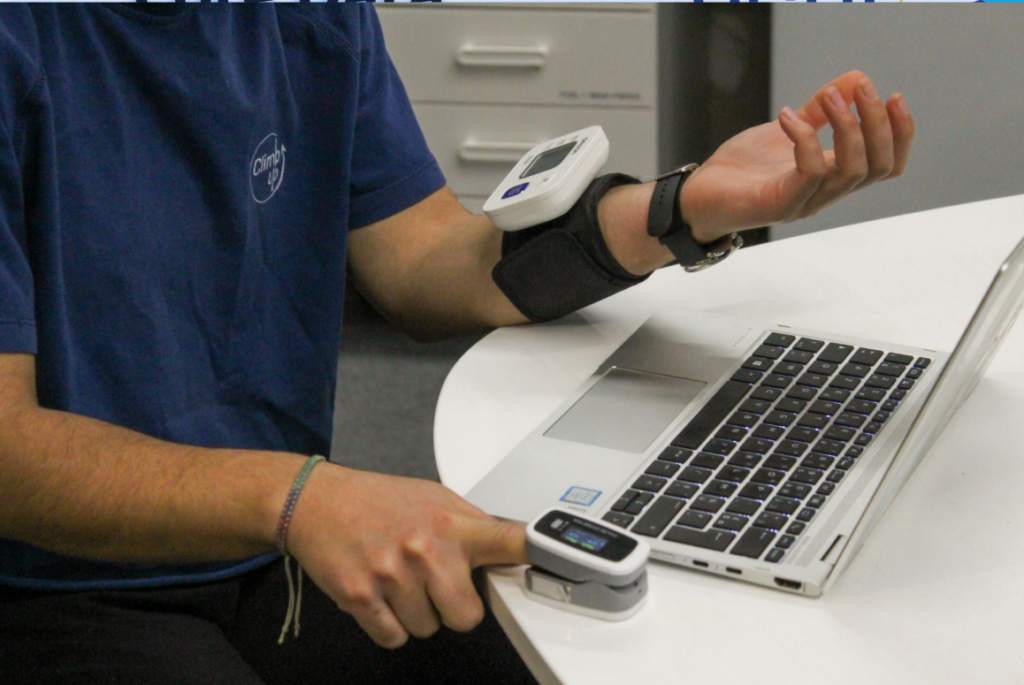
The Core Data experiment, conducted by the 330 crew itself, will aim to collect physiological data for the entire human factors research, as well as environmental and water consumption data in the station, in order to ensure complete and centralized data capture while eliminating redundancies.
AMAIA
- Type: Technology
- Research center: CNES – Spaceship FR
Crew 330 will also test AMAIA, an artificial intelligence-based multifunction astronaut assistant developed by CNES to help astronauts during their daily tasks, such as taking measurements, the writing of reports or by giving them access to the documentation they will need during the experiments or emergency procedures they will be required to perform.
Atmospheric instruments
- Type: Atmospheric physics
- Research center: CNRS
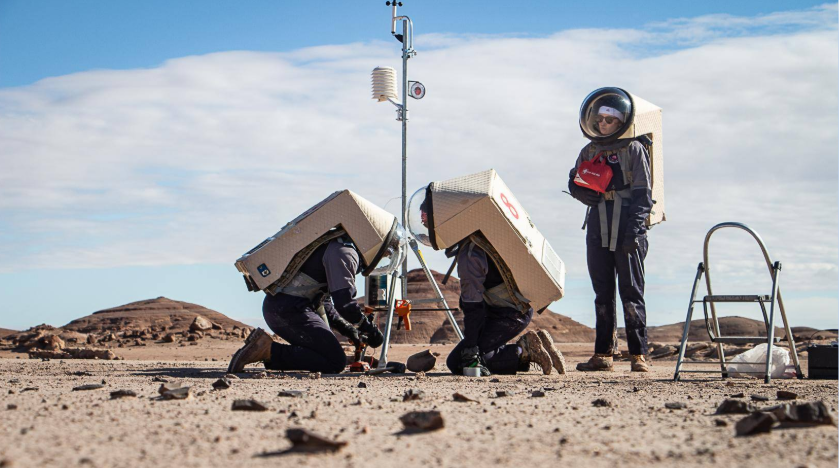
The LOAC, Mega-Ares and Field Mill instruments will be deployed again in the Utah desert. Developed by the CNRS and ESA, their mission is to measure particle concentrations in air, provide data on aerosol composition and measure local electric and magnetic fields, in order to build environmental models.

Supaeromoon
- Type: Robotics
- Research center: ISAE Supero
In collaboration with SupaeroMoon, a student team from ISAE-SUPAERO developing technologies for the lunar environment, a rover will be printed during the mission thanks to a 3D printer and assembled by the crew, which will only take the electronic components necessary for its operation. The evaluation of mapping, autonomous navigation and robotic arm methods will be conducted in order to identify potential uses of such rovers during future manned missions on the Moon and Mars.
Photogrametry
- Type: Human Factors & Exploration
- Research center: Parrot
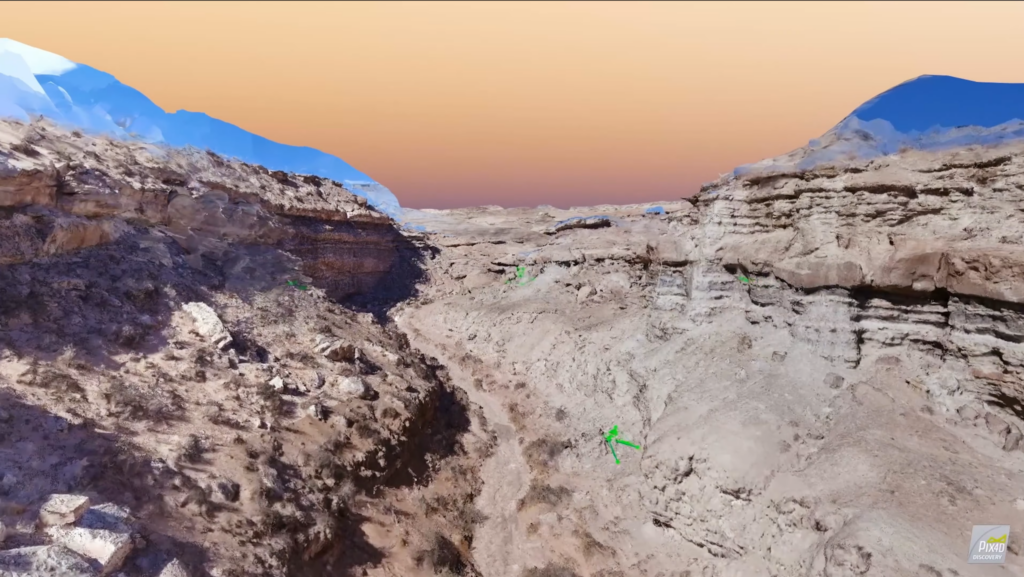
The Photogrammetry experiment, carried out with Parrot drones, will require nine extravehicular sorties to test 3D maps. By comparing the results with those obtained using a 2D map, an evaluation of the benefits for tracking astronauts during their activities on the lunar and Martian soils will be carried out.
Stratigraphy
- Type: Geology
- Research center: IRAP
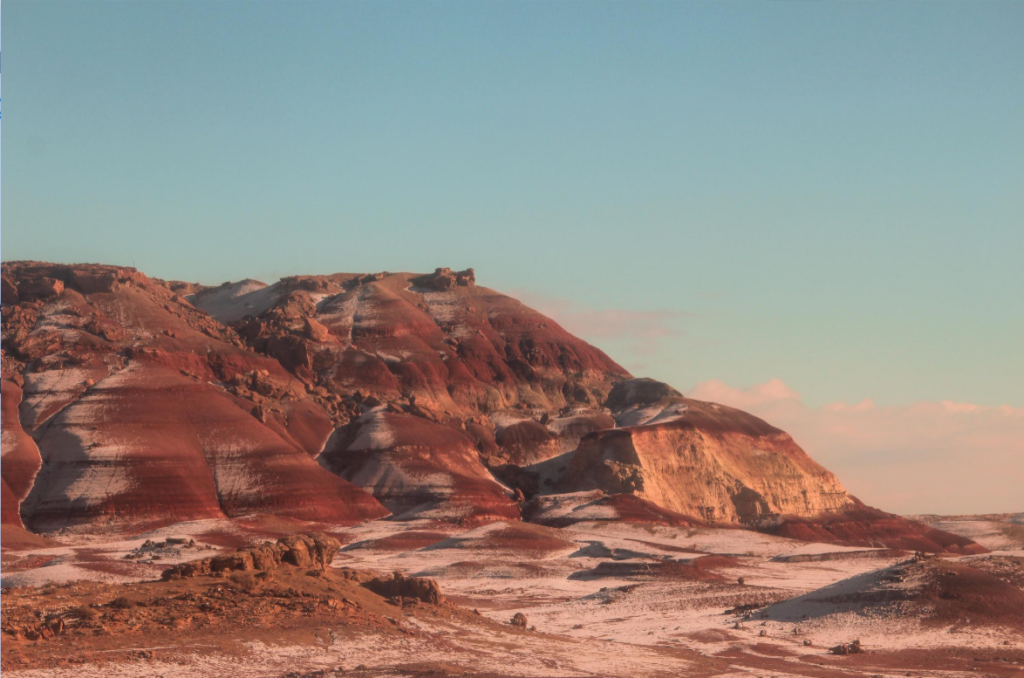
In collaboration with IRAP, the Stratigraphy experiment will use photos taken by a drone to analyze rock strata. This will allow both to identify potential sites of interest, identify geological samples and collect additional data during future Martian missions. It will be completed by Lab’Ex, an experiment developed by a professor at ISAE-SUPAERO, in order to analyze the reflectance of rock samples using a 3D printable spectroscope, in order to identify them.
Astro project
- Type: Astronomy
- Institution: Musk Observatory
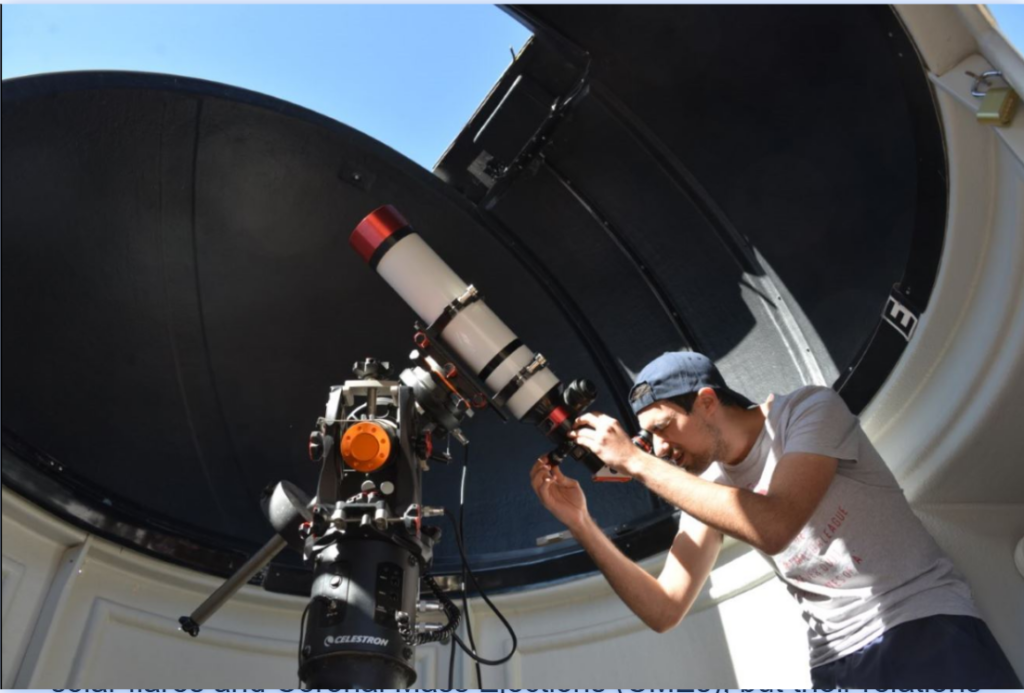
A new astronomy project, led by the astronomer of crew 330, will focus on solar observation, in order to track the evolution of sunspot positions over time. This type of activity is related to the occurrence of solar eruptions that could threaten the lives of astronauts on the Martian surface, but their relationships are not yet well understood.
AMI
- Type: Technology
- Research center: ISAE-SUPAERO
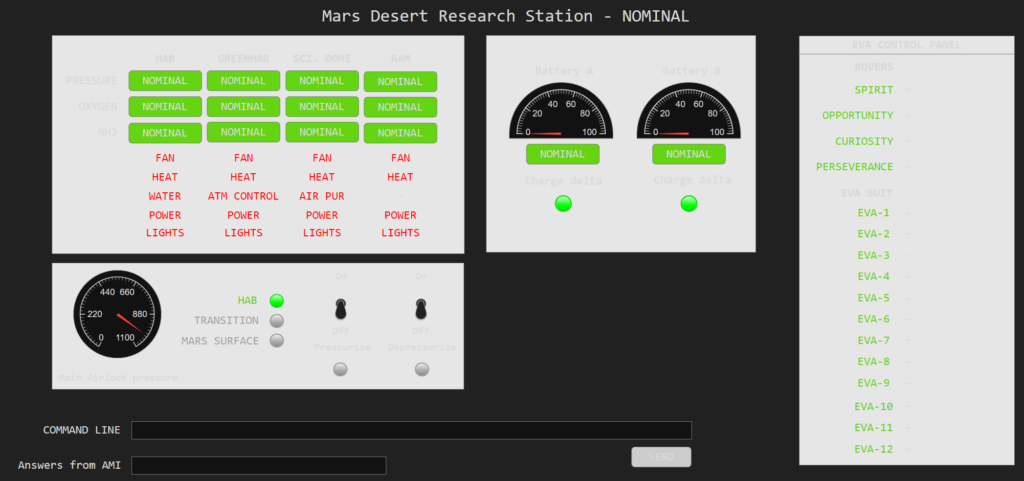
AMI, an interface developed by a member of crew 275, will be tested during the mission. It aims to detect potential anomalies to improve the simulation and analyze the crew’s reactions to unforeseen events requiring emergency procedures, including extravehicular sorties.