SOL 3 : Snowflakes on Mars
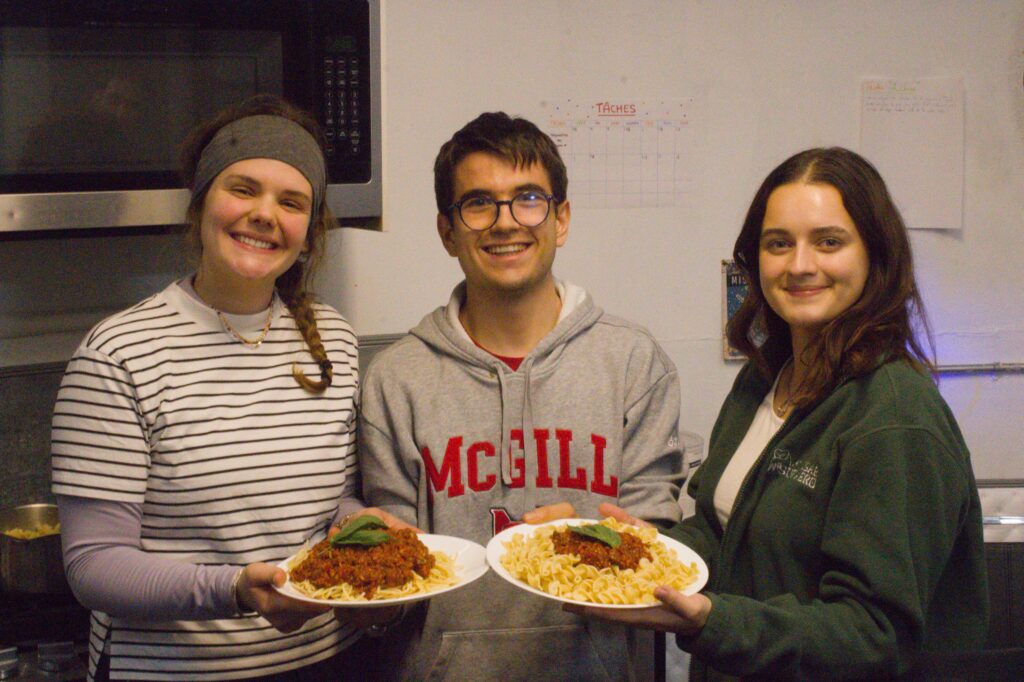
Yesterday, after the communication window, we prepared dinner. For long-duration missions such as those to Mars, food must remain stable for a long time. This is why we eat freeze-dried food, meaning it has been dehydrated to prevent oxidation, which slows down its degradation. We thought that it would not be tasty at all, but with excellent chefs and fresh herbs from the GreenHab, we enjoyed a feast! On the menu were Marinara pasta cooked by Julien and Célia with fresh basil, followed by chocolate chip cookies prepared by Lou and Félix for dessert.
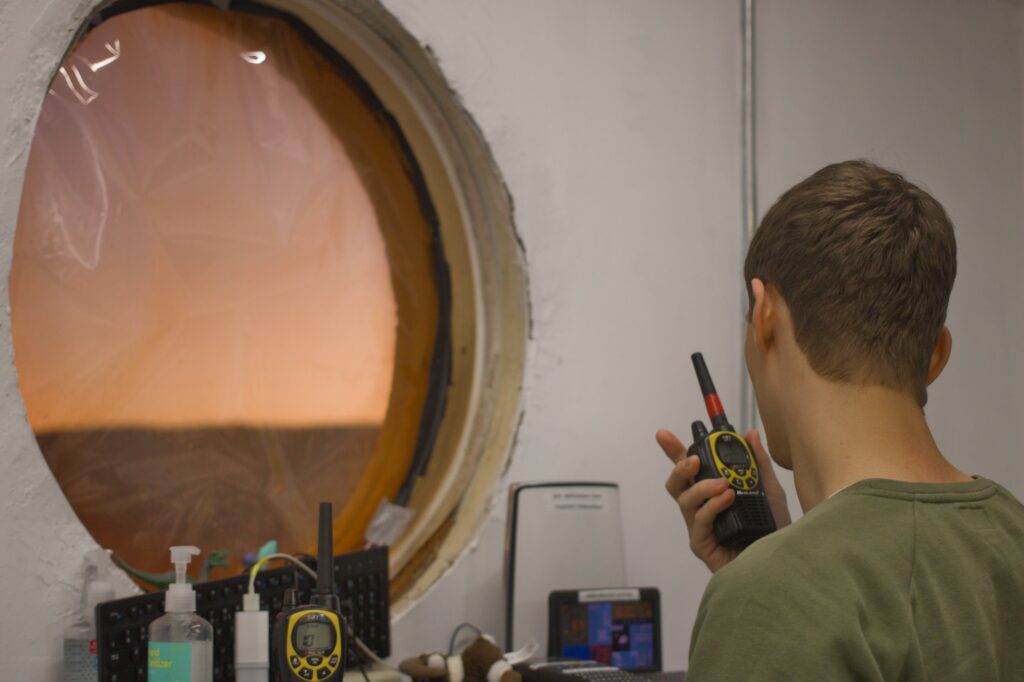
This morning, we collected our physiological data again, then Adèle organized a sports session with cardio, exercises for the entire body and others focusing on the upper body. During a trip to Mars, minimizing the weight onboard the rocket will be critical, and using resistance bands is an amazing solution! For the second day in a row, the weather does not allow us to perform an EVA. Around 11 am, it was even snowing lightly on Mars. The view from the HAB window was particularly beautiful!
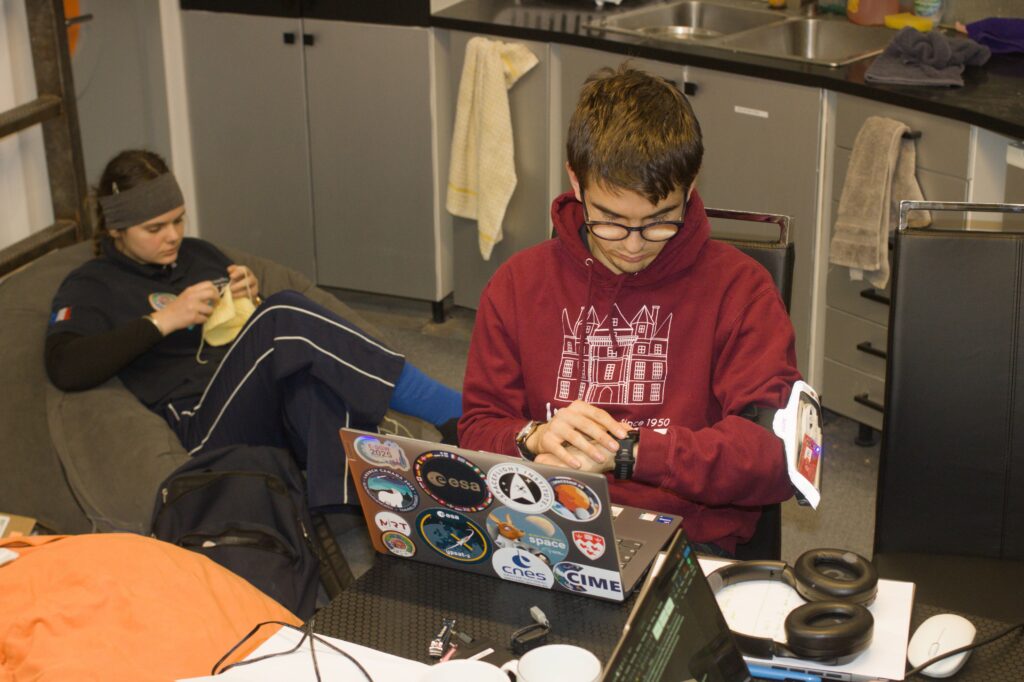
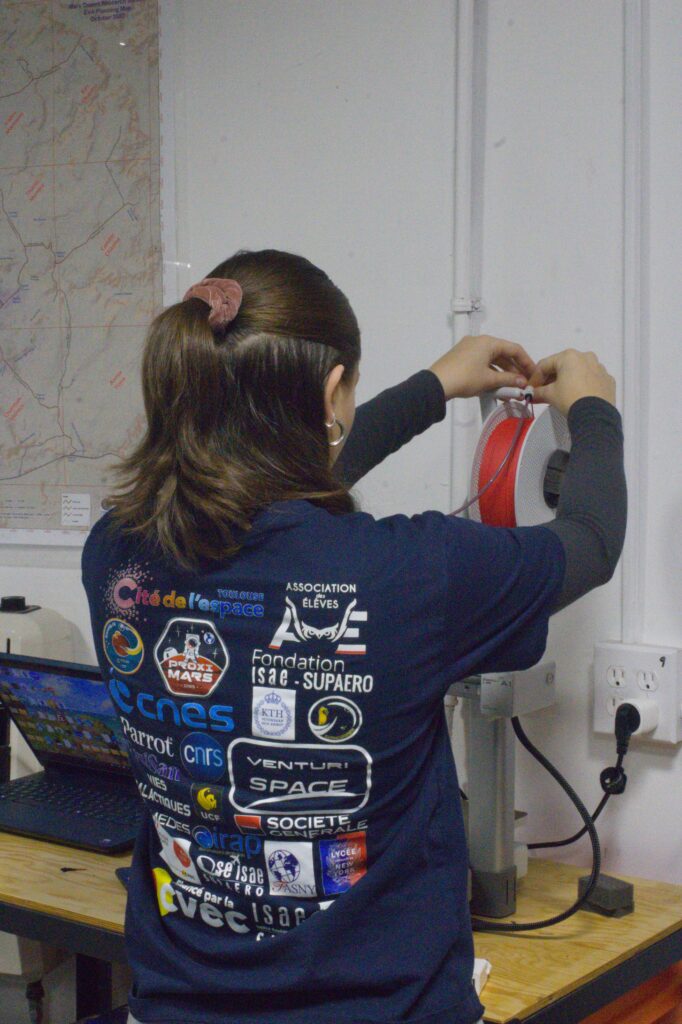
Instead, Julien and Gaspard went over the tasks completed yesterday, while Lou started to 3D print items needed for an exploration EVA where two teams will go out after undergoing different training. Next week, one team will head to a location with a 3D map, while the other will only have a 2D map at its disposal. It would be beneficial for a Martian crew to have the most detailed description of their environment possible to identify sites which are both interesting from a scientific point of view and safely accessible. One solution is to use a drone for photogrammetry, which is a way to build 3D mapping by acquiring overlapping images. We thank Parrot for lending us an Anafi AI drone so that we can complete this experiment.
One of our mission’s goals is to conduct public outreach among young students and to tell them about space and science in general. With this in mind, Adèle and I responded to questions sent before the mission by middle school students.
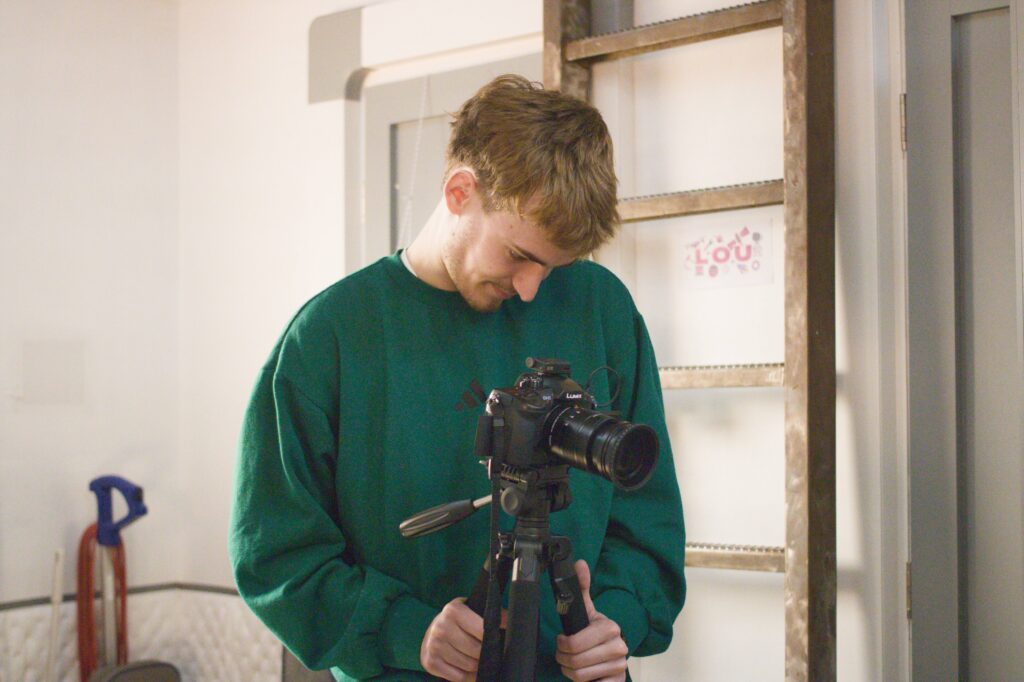
I then went to see Félix and Célia, who were building the Lab’Ex in the RAM, and we were able to shoot some videos for the documentary we are preparing.
In the afternoon, Gaspard helped Lou, Julien and Adèle to fix the neuroergonomics experiment that had not worked during the first few sols. It should work tomorrow.
After a meeting to talk about our technical problems, Gaspard explained the basics of weather forecasting to understand the onset of storms. Observing and preparing are mandatory steps on Mars, as our water supply is precious and sensitive to atmospheric conditions. Tonight’s cold could freeze the water tank, so Gaspard and Lou retrieved some water so that we are sure to have some to drink tomorrow.
In the late afternoon, Félix went to the GreenHab to take care of the radishes he had planted in the morning. We are all starting to feel tired, and some free time slots allow us to engage in more relaxing activities. Some are starting to learn crochet while others are writing about their day.
If all goes well, we should be able to go out tomorrow in order to install the atmospheric instruments.